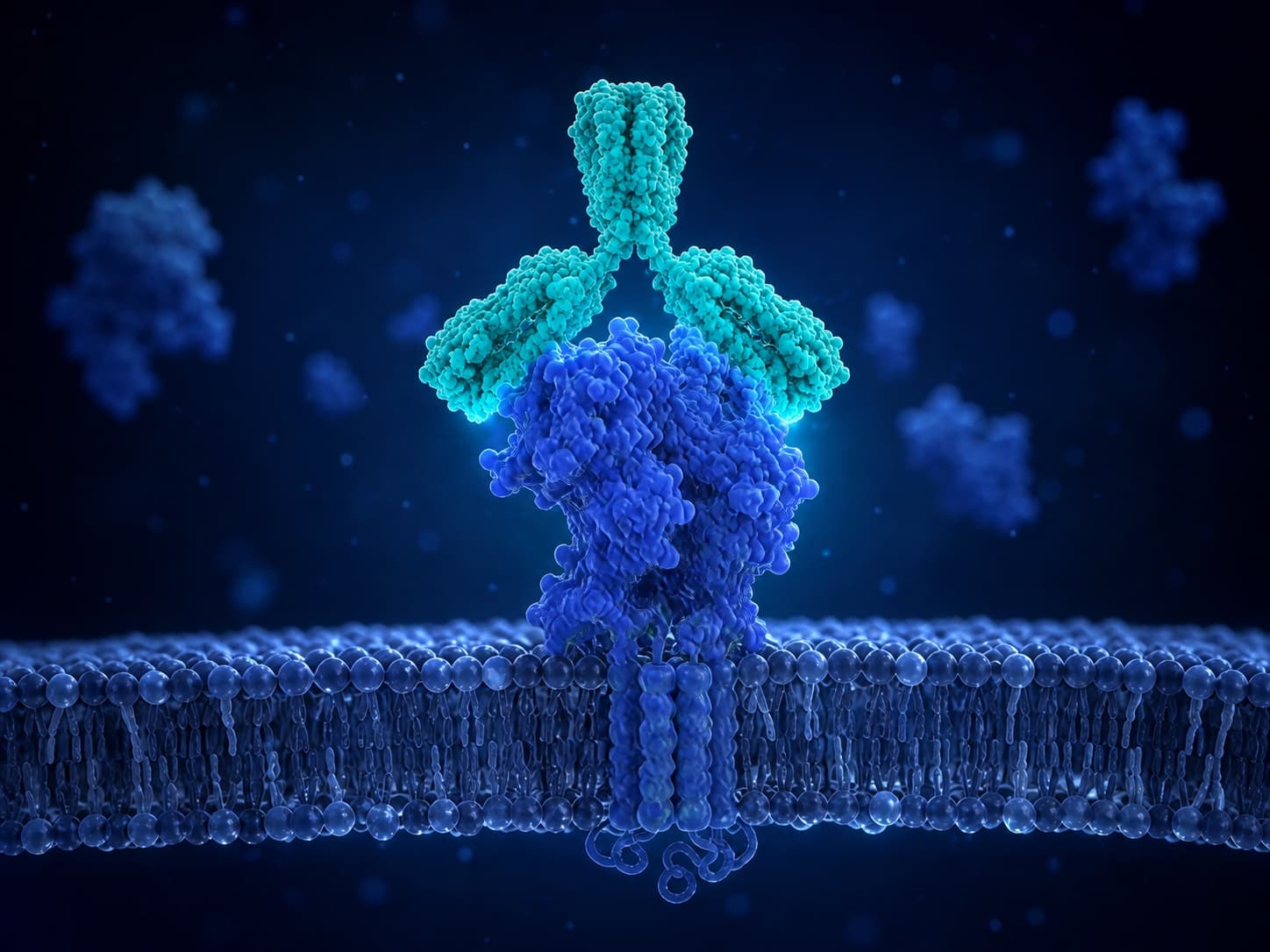
Antibody discovery is the third stage of antibody development: after antigen preparation and animal immunization, positive clones that specifically bind the target are screened from the immune library, delivering antibody sequences ready for subsequent optimization and production. SanjingBio provides four antibody preparation services — alpaca nanobodies, shark nanobodies, rabbit monoclonals and mouse monoclonals — covering four immunization animals and supported by antibody phage display, yeast display, single B cell and hybridoma platforms.
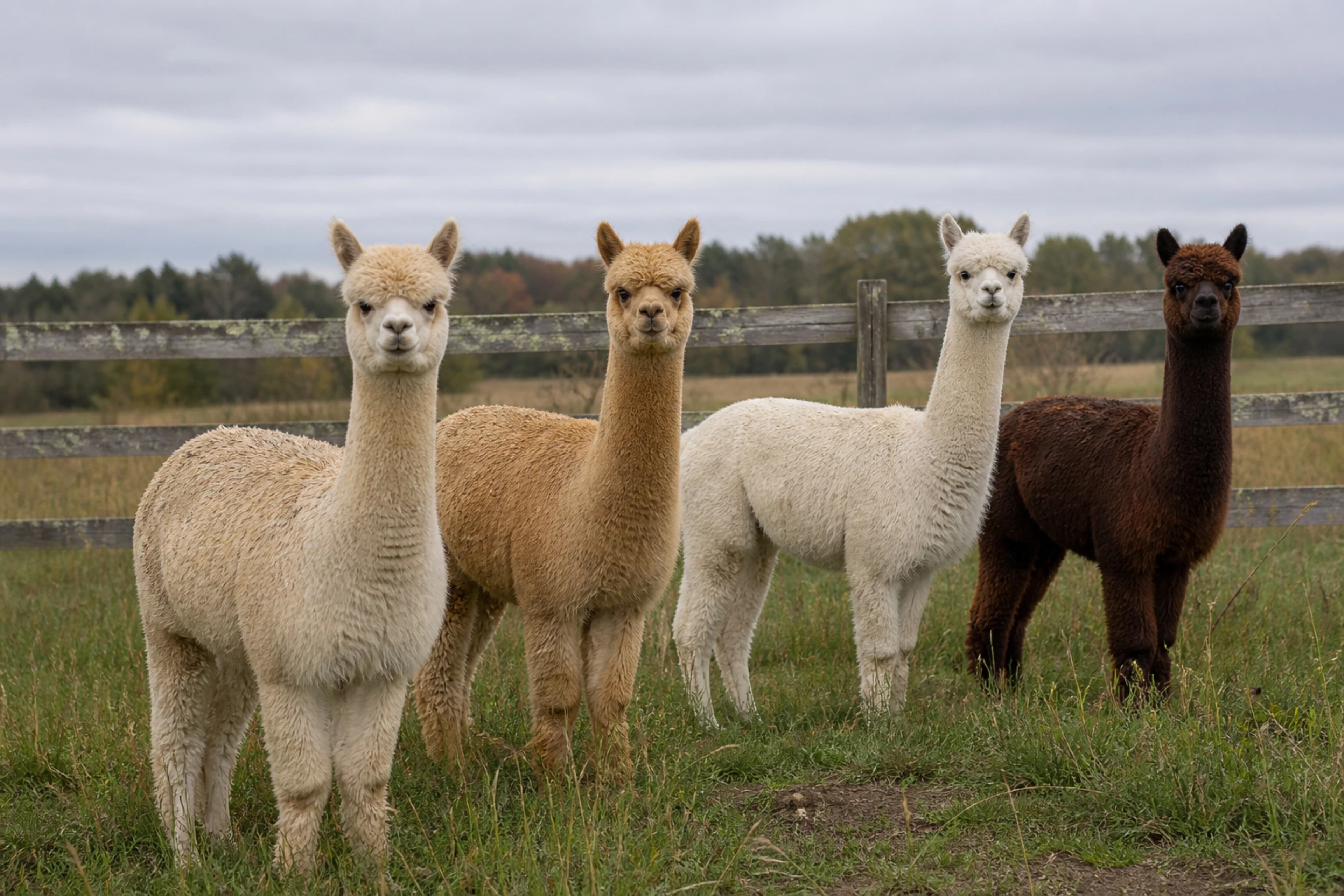
Alpaca nanobodies, also known as single-domain or VHH antibodies, are a highly promising new generation of therapeutic antibody molecules with broad applications in cancer immunotherapy, in vitro diagnostics and basic research.
VHH domains originate from naturally occurring heavy-chain antibodies in camelids such as alpacas, llamas and camels. Their small size and strong physicochemical stability make them easy to engineer into multifunctional molecules, while allowing them to recognize cryptic epitopes that conventional antibodies struggle to access. This distinctive architecture enables strong tissue penetration into target regions beyond the reach of larger antibodies while retaining high specificity and antigen affinity. These advantages make VHH an exceptional scaffold for antibody drugs, diagnostic reagents and research tools.

The screening stage of antibody discovery is supported by four species-specific library screening platforms covering alpaca, shark, rabbit, and mouse immunization. The most suitable platform is matched to target characteristics to improve the probability of obtaining positive antibodies.
 Phage display platform
Selection runs in vitro, free of the animal's immune tolerance, so specific antibodies can be enriched against targets that in vivo immunisation struggles with — self-antigens and highly toxic molecules included.
Learn more Yeast display platform
Antibody fragments are displayed on the Saccharomyces cerevisiae cell surface and sorted at high throughput by flow cytometry; a near-mammalian protein folding and processing system favours antibodies with correct conformation and excellent stability.
Learn more Single B cell platform
Antibody genes are obtained directly from B cells of immunised animals, preserving native heavy–light chain pairing and in vivo maturation characteristics and enabling high-affinity positive clones to be identified within a shorter timeframe.
Learn more Hybridoma platform
A classic, proven route with high success rates; immunogen and purification are chosen per project, delivering antibodies of high specificity and purity.
Learn more
Mesothelin, long underestimated, has moved from the lab to the clinical frontier across CAR-T, ADCs and bispecifics. With our cellular EC50 and internalisation data.
May 27, 2026
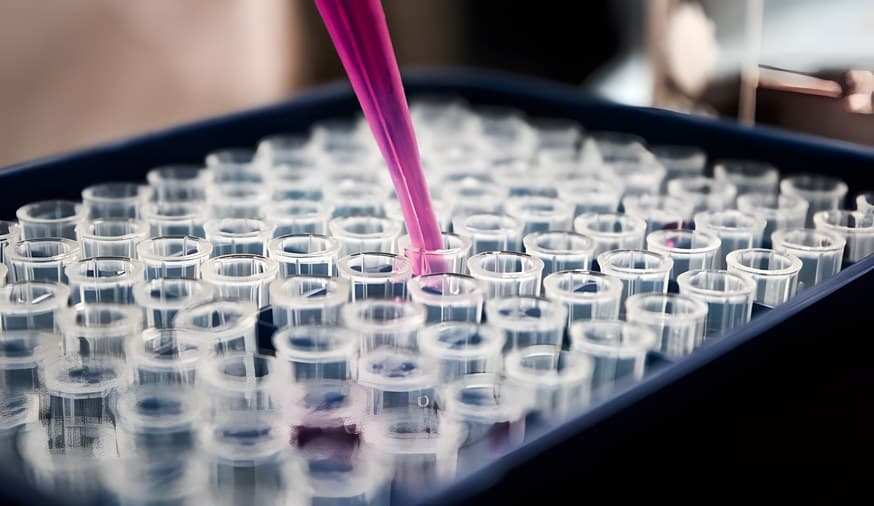
Both formats drop parts of the native immunoglobulin. We compare structure, solubility, stability, size and production cost, then their therapeutic use.
Jul 15, 2026

Heavy-chain-only antibodies, found in camelids and cartilaginous fish in the 1990s, lose the CH1 domain and pair no light chain — leaving a single variable domain of roughly 15 kDa, nanometre-scale.
Jun 10, 2026
Every target is hard in its own way. Before kick-off we agree immunogen design, screening route and validation methods together; a dedicated contact follows up during execution; delivery comes with full technical documentation and all raw data.
Share the intended application and what you already have in hand. A scientist — not a sales rep — will scope feasibility, suggest the right route and send a quote, usually within one business day.