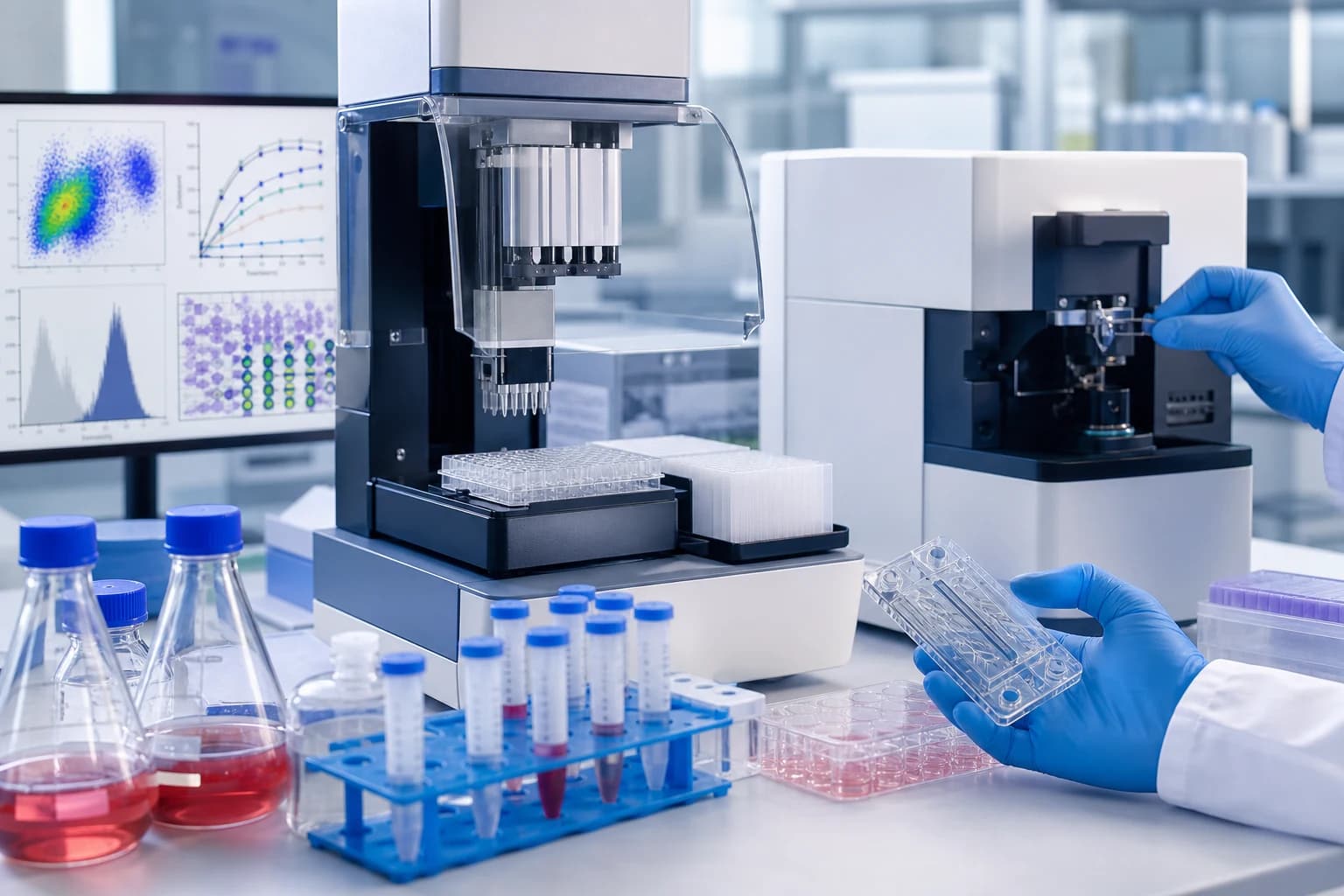
The four screening platforms form the technical foundation of antibody discovery services: single B cell, phage display, yeast display and hybridoma are each suited to different target types and molecular formats. Before project initiation, the appropriate platform combination is matched based on target characteristics, antigen format and downstream application requirements.
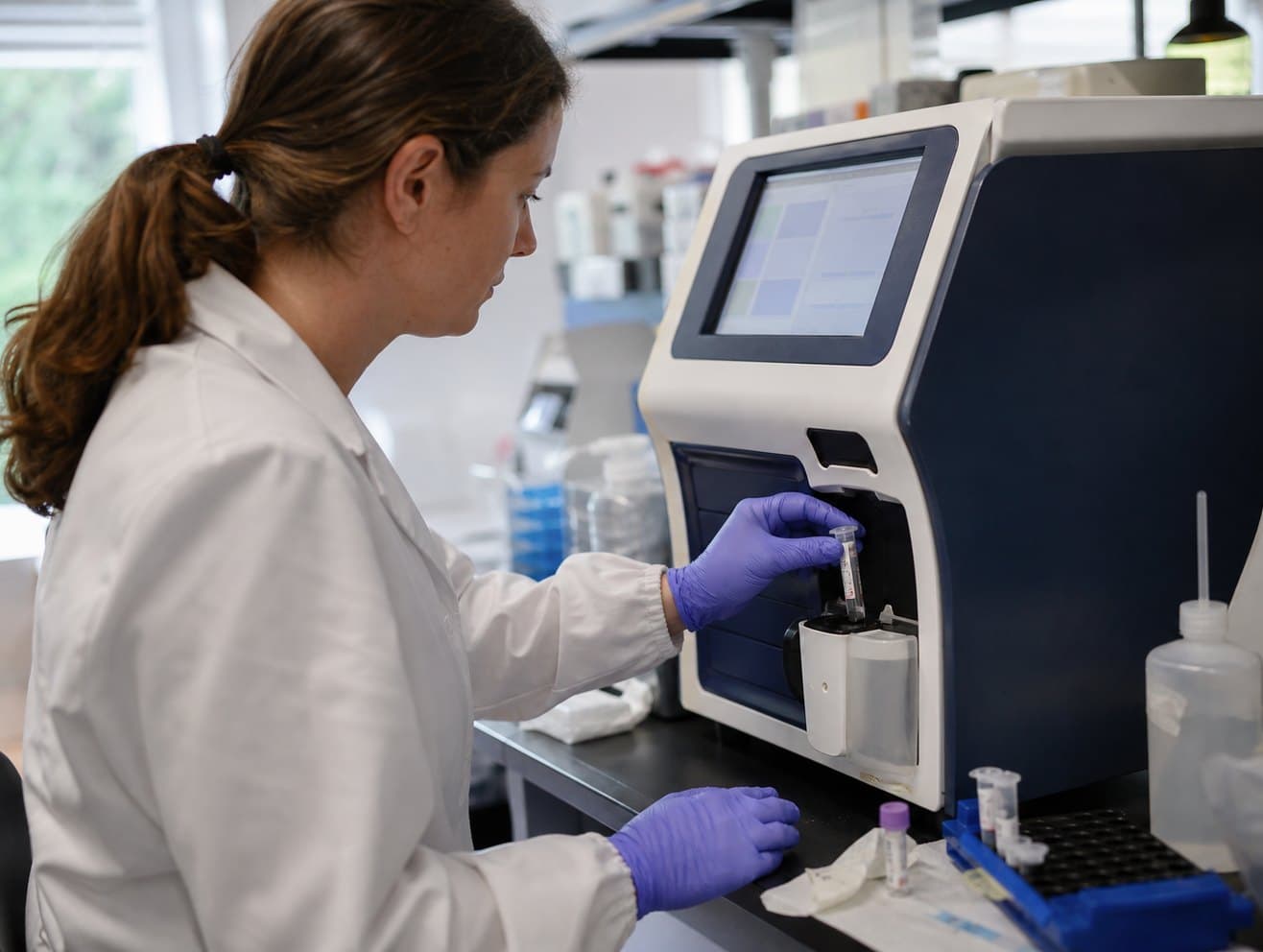
Antigen-specific B cells are captured directly from the immunized animal's PBMCs, and natively paired heavy/light chain genes are recovered by single-cell RT-PCR — short timelines, high throughput, many positive clones, high affinity, and maturation already completed in vivo.
Because the chains are natively paired and already affinity-matured in vivo, no in vitro re-pairing or maturation is needed — the fundamental difference between this platform and in vitro display routes.
Rabbit monoclonal, mouse monoclonal and anti-idiotypic monoclonal services can all take this route; we recommend one at kickoff based on the target and its downstream use.
Mesothelin, long underestimated, has moved from the lab to the clinical frontier across CAR-T, ADCs and bispecifics. With our cellular EC50 and internalisation data.
May 27, 2026
Both formats drop parts of the native immunoglobulin. We compare structure, solubility, stability, size and production cost, then their therapeutic use.
Jul 15, 2026

Heavy-chain-only antibodies, found in camelids and cartilaginous fish in the 1990s, lose the CH1 domain and pair no light chain — leaving a single variable domain of roughly 15 kDa, nanometre-scale.
Jun 10, 2026
Each platform excels at different targets and formats. Before kick-off we match the combination to your target's properties, antigen format and downstream use — and explain each route's timeline, success rate and delivery boundaries plainly.
Share the intended application and what you already have in hand. A scientist — not a sales rep — will scope feasibility, suggest the right route and send a quote, usually within one business day.