Antibody Discovery
Built on classic hybridoma technology with broad immunogen compatibility and high fusion efficiency, delivering stably passaged hybridoma lines.
The classic mouse monoclonal route is mature and reliable, with short timelines, controlled cost and broad applicability across research assays, in vitro diagnostics and biopharma.
For routine and selected difficult antigens it yields mouse monoclonals of high specificity, homogeneity and stability; screening can run on hybridoma, single B cell or phage display, chosen to fit the target.
In a delivered project the monoclonal served as the core antibody in a customer's diagnostic kit, lifting assay sensitivity 2.5-fold at an EC50 of 0.8 nM.
Enquire now →

Tailored strategies for membrane proteins and modified antigens produce antibodies ready for IHC, flow cytometry and other specific applications.
Built on the classic mouse monoclonal framework with optimised fusion and screening steps — controlled timelines, dependable delivery.
Mature screening and expression systems secure yield and lot-to-lot consistency for research- and diagnostic-grade use.
Immunization and purification plans are customised upfront, strengthening batch stability and functional optimisation for industrial use.

Eight stages. You may supply the antigen (peptide purity ≥95%, protein purity ≥85%); outputs and acceptance criteria for each stage are listed below.
Immunization plan customised to the target; antigen supplied or commissioned
The antigen is prepared and checked for purity, concentration and integrity
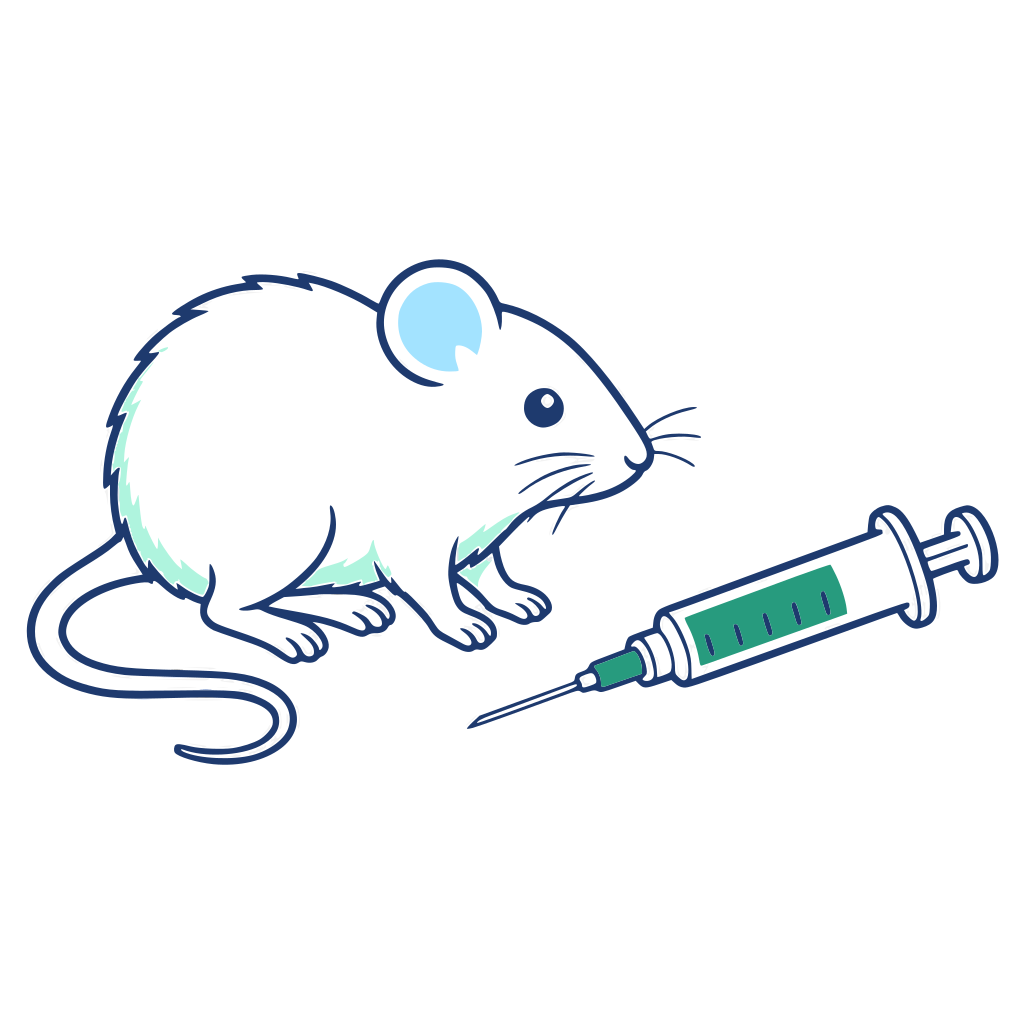
8–10 weeks of immunization; titre after the 3rd–4th boost ≥1:256,000
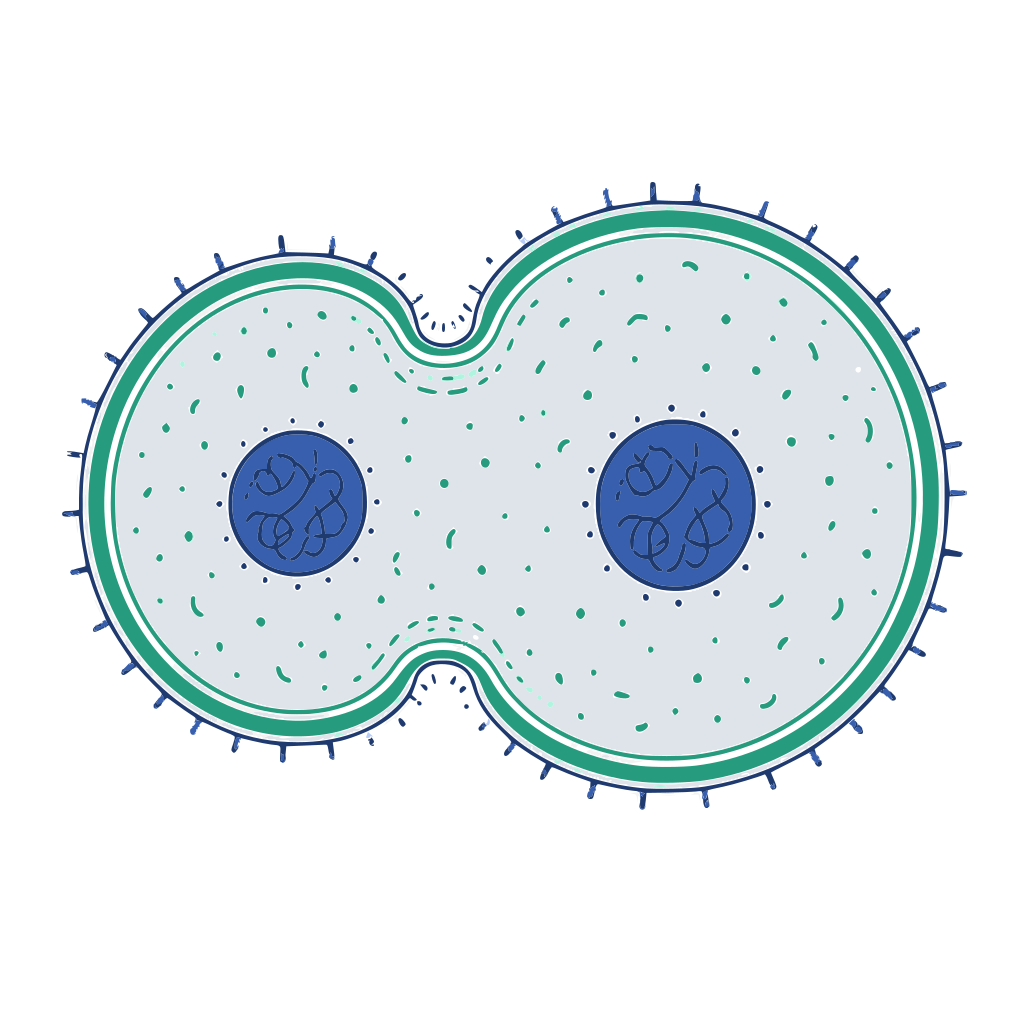
After confirming the immune response, splenocytes and myeloma cells are fused
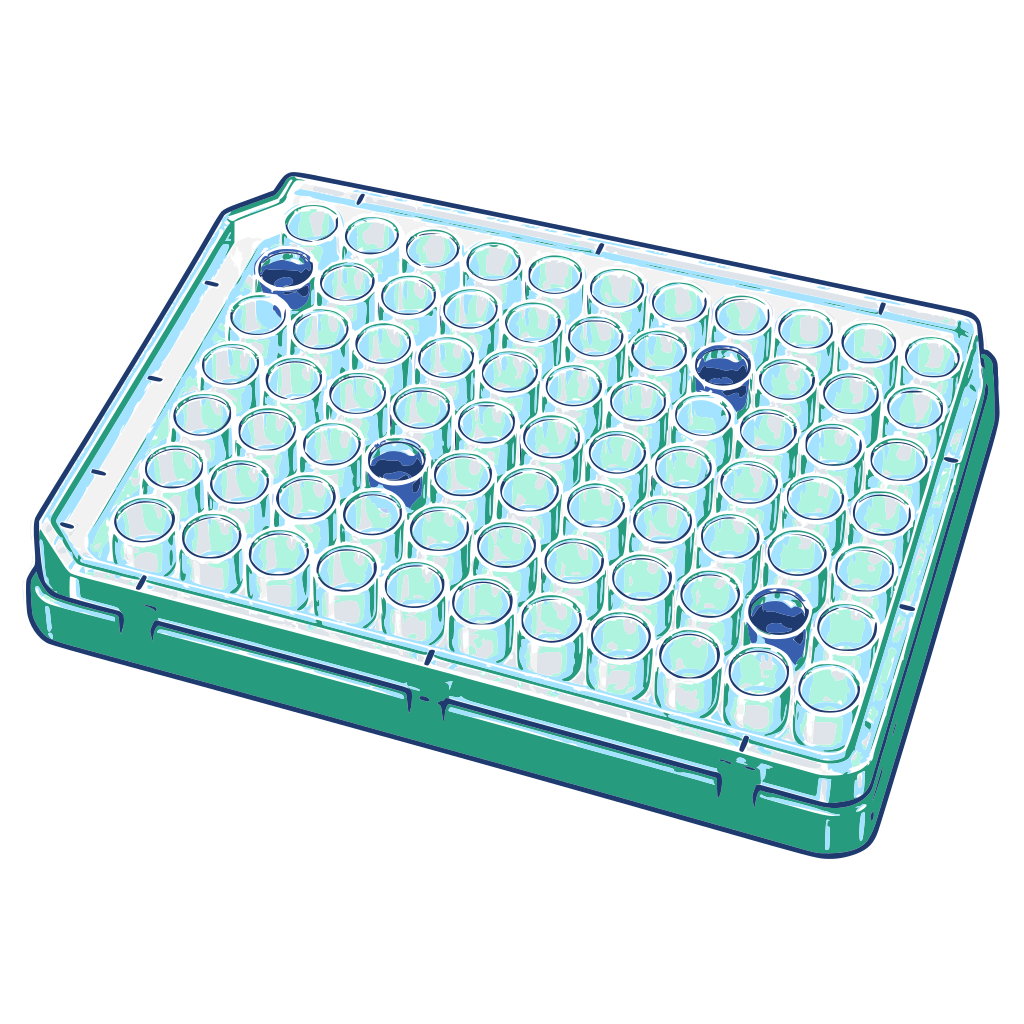
Hybridoma / single B cell / phage display; ELISA-positive
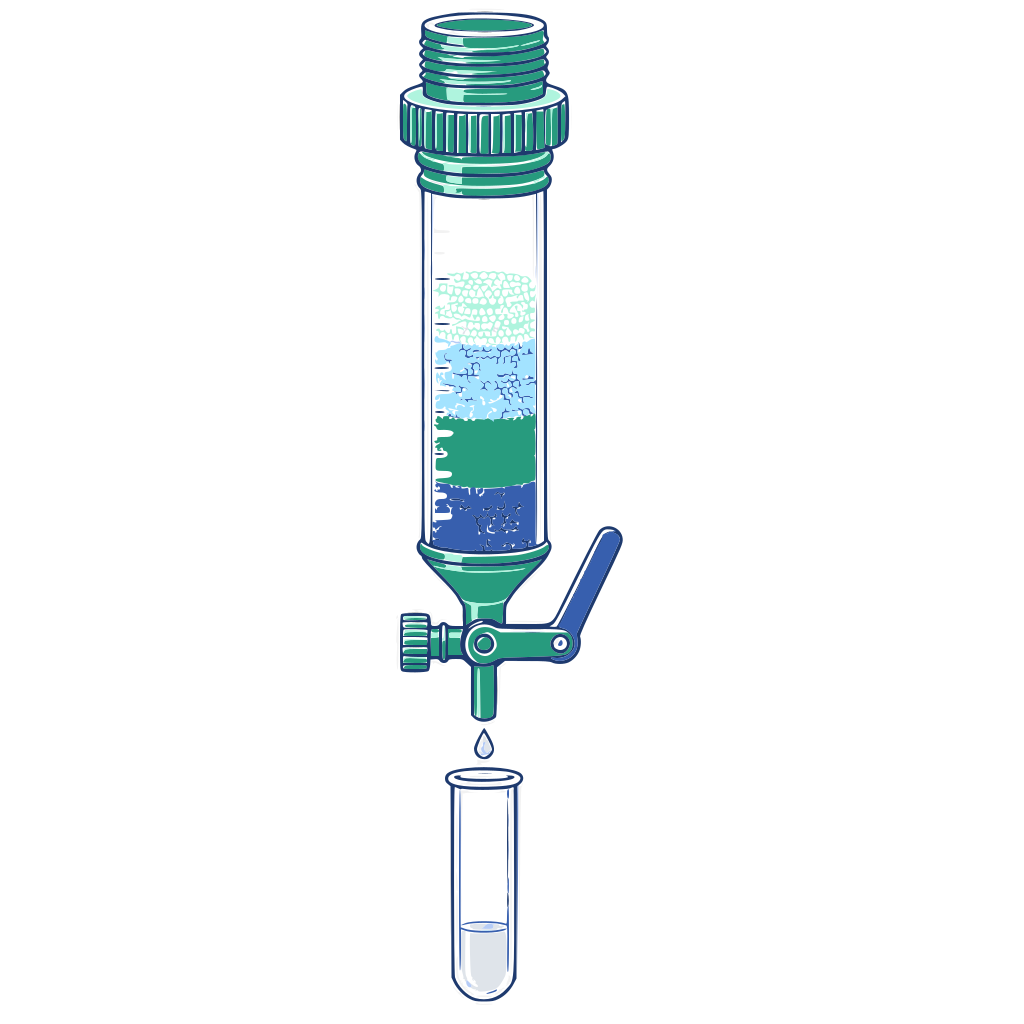
Transient Expi293 expression and purification — ≥1 mg at ≥95% purity
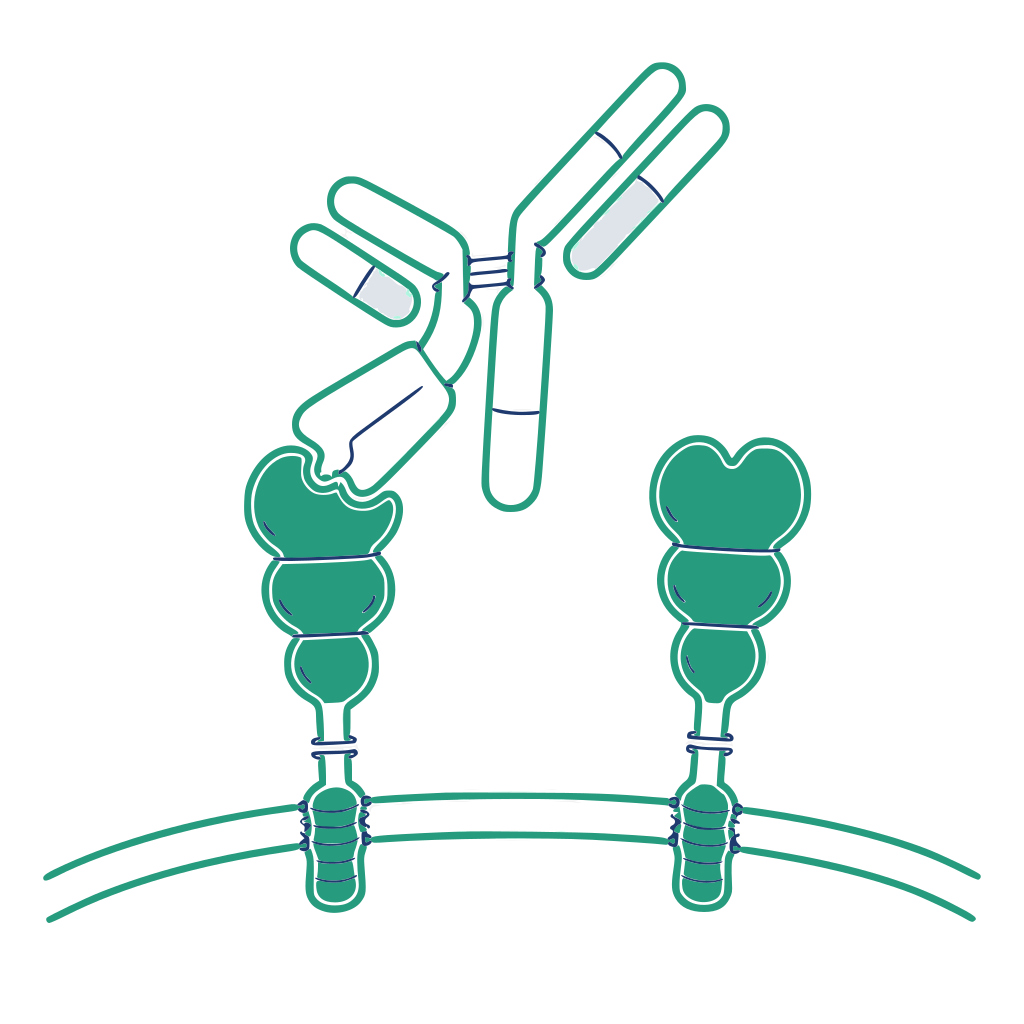
Titre, affinity and specificity verified by ELISA/WB, EC50 <10 nM
Purified antibody, sequence data and binding-curve CoA delivered
Immunization through QC totals roughly 16–24 weeks; commissioned antigen preparation adds 3–5 weeks.
Mature screening and expression systems secure yield and lot-to-lot consistency for research- and diagnostic-grade use; immunization and purification plans are customised upfront to strengthen batch stability and function.
Deliverables, acceptance criteria and timelines by experimental stage. The staging differs from the process above: the process shows how a project runs, while this table is the acceptance basis written into the contract.
| Stage | Scope | Deliverables | Standards | Timeline |
|---|---|---|---|---|
| Antigen preparation | Supplied by you or prepared by SanjingBio | Peptide / protein | Peptide purity ≥95%, protein purity ≥85% | 3–5 weeks |
| Animal immunization | Mouse immunization | Immunization record | / | 8–10 weeks |
| Serum titre testing | Serum titre after the 3rd–4th boost | Titre results | Titre ≥1:256,000 | 2–3 days |
| Antibody screening | Hybridoma / single B cell / phage display | Positive clones | ELISA-positive | 4–8 weeks |
| Gene retrieval & plasmid construction | Sequencing and vector construction | / | Sequence | 2–3 weeks |
| Transient expression and purification | Expi293 expression and purification | ≥1 mg purified antibody | Purity ≥95% | 1–2 weeks |
| QC testing | ELISA / WB validation | Antibody binding-curve CoA report | EC50 <10 nM | 1 week |
The mouse monoclonal passed the customer's raw-material acceptance criteria and now serves as the core antibody in their diagnostic kit — detection sensitivity is 2.5× the original product with excellent lot-to-lot consistency — while also supporting the customer's basic research as a tool antibody.
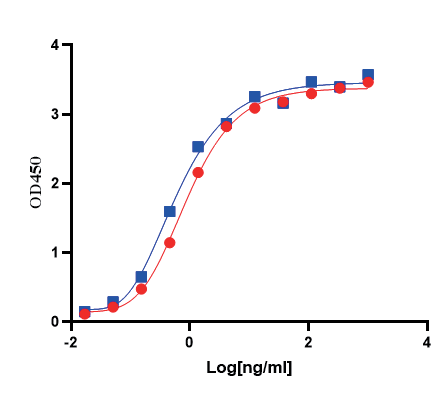
ELISA — EC50 reaches 0.8 nM, indicating high affinity.
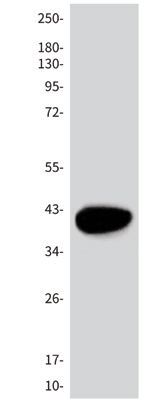
Western blot validation — a single, clean band.
Share the intended application and what you already have in hand. A scientist — not a sales rep — will scope feasibility, suggest the right route and send a quote, usually within one business day.