Antibody Optimization
Mutation libraries combined with display screening markedly improve antibody binding strength and stability.
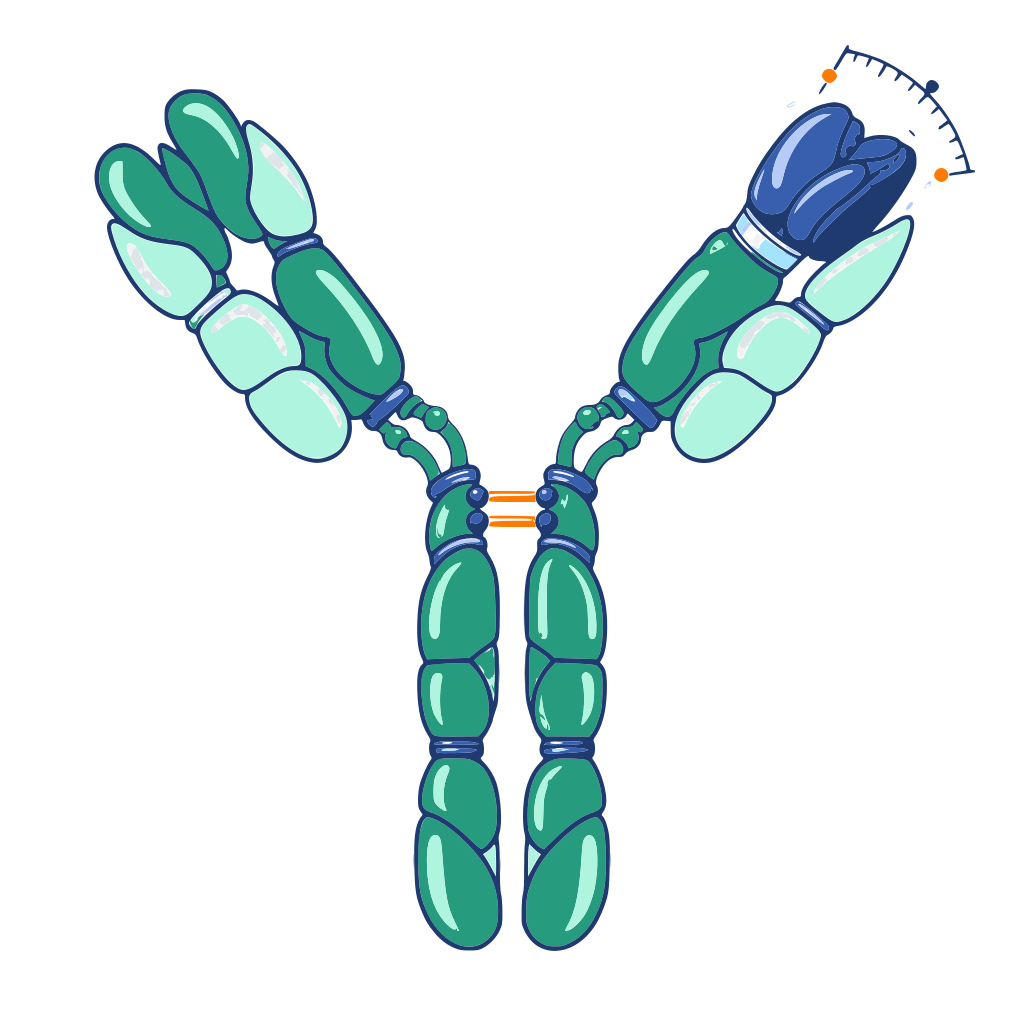
Affinity is the core performance metric for antibody drugs, diagnostic reagents and research tools. For antibodies whose low affinity blocks translation, our protein-engineering and high-throughput screening platforms provide end-to-end affinity maturation.
Several proven strategies raise affinity markedly while preserving specificity and functional activity, helping research results reach production across a range of fields.
The workflow spans six stages: confirming the parent's affinity, designing and building the mutation library, primary and secondary high-throughput screening, sequence analysis of positive clones, expression and purification of the improved antibodies, and final affinity validation.
Enquire now →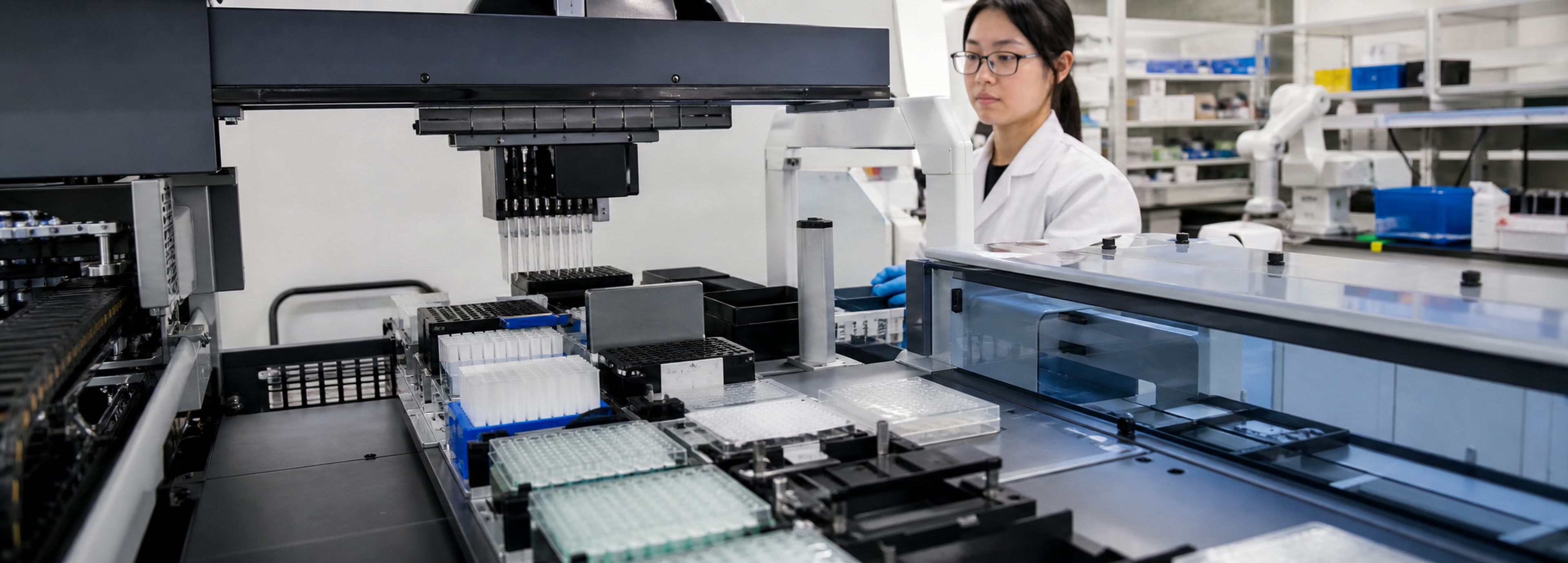

Site-directed and random mutagenesis are combined, with the strategy customised to antibody type and target.
Multi-platform high-throughput screening on automated equipment finds high-affinity clones quickly.
End-to-end quality control keeps specificity and target function intact in the high-affinity antibodies.
Hundreds of projects completed, including affinity gains on notoriously difficult targets.

Eight stages. The mutagenesis strategy is customised to antibody type and target, with end-to-end QC preserving specificity and target function; outputs and acceptance criteria are in the specifications below.
Baseline affinity confirmed; structure analysed and mutation regions designed
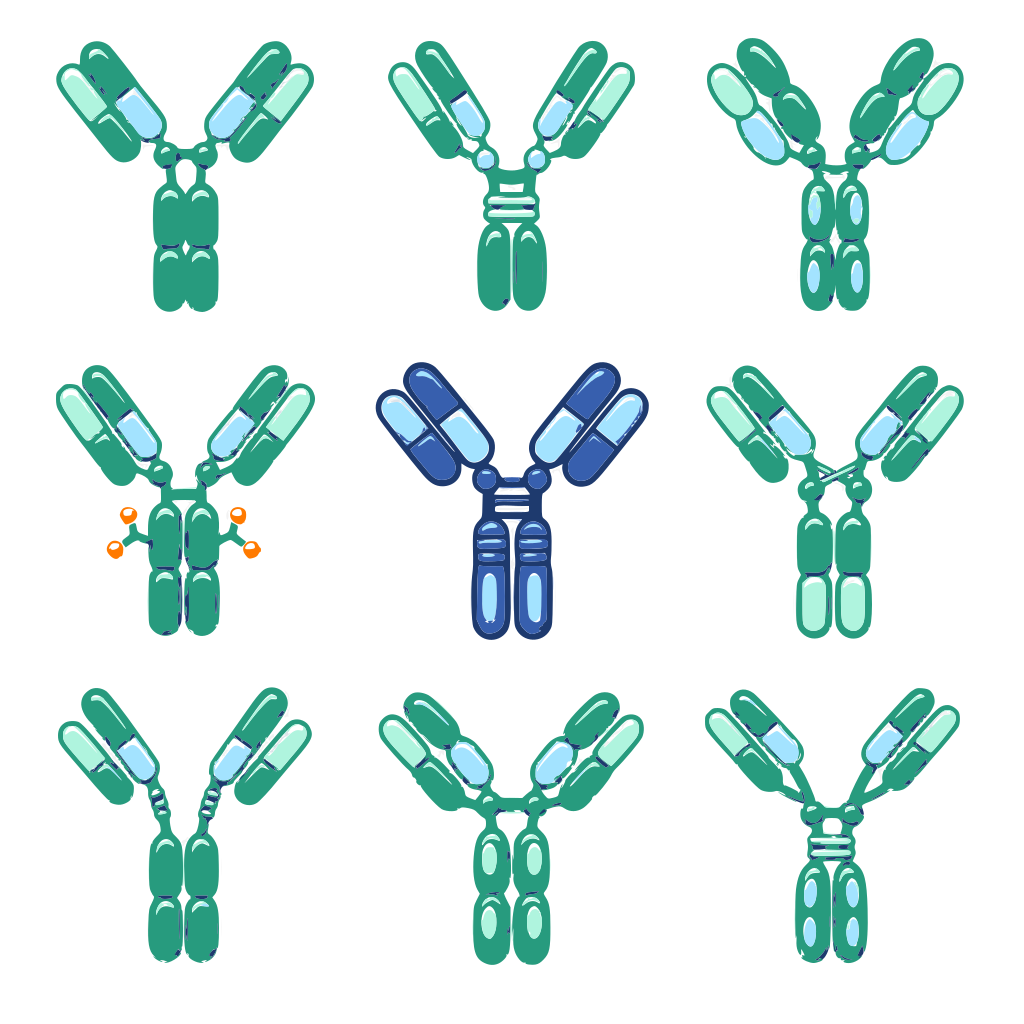
Site-directed and random mutagenesis build a diverse library of ≥1×10⁸
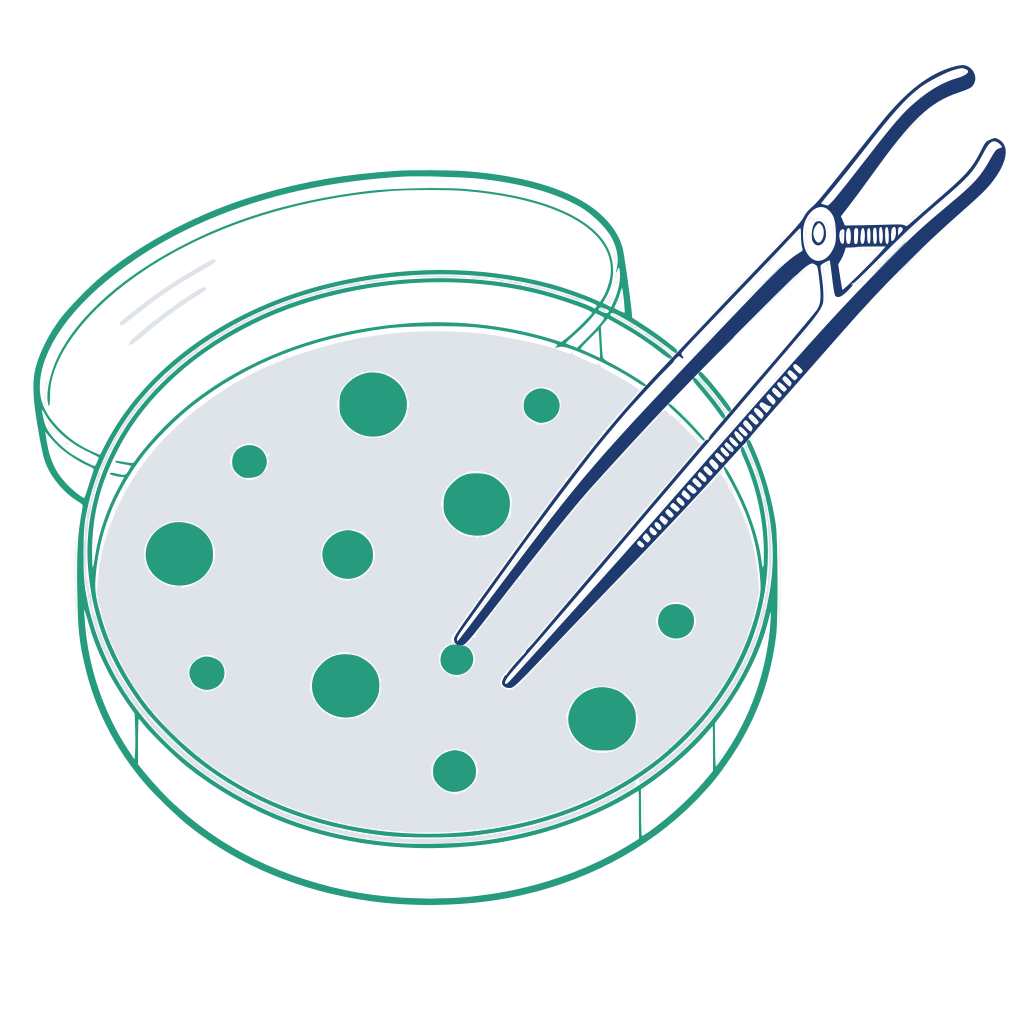
Multiple rounds of phage display stringency screening enrich clones with markedly stronger binding
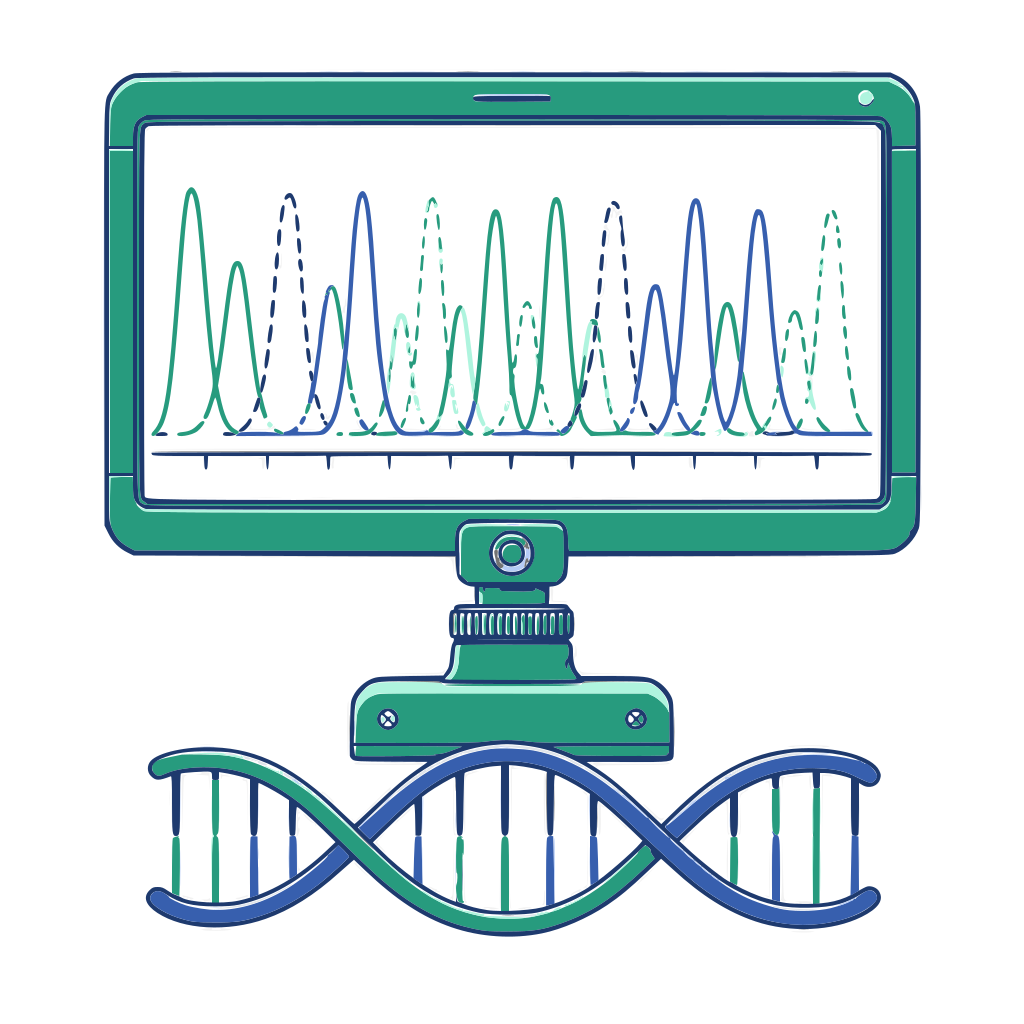
Single clones activity-screened and sequenced, yielding multiple improved unique sequences
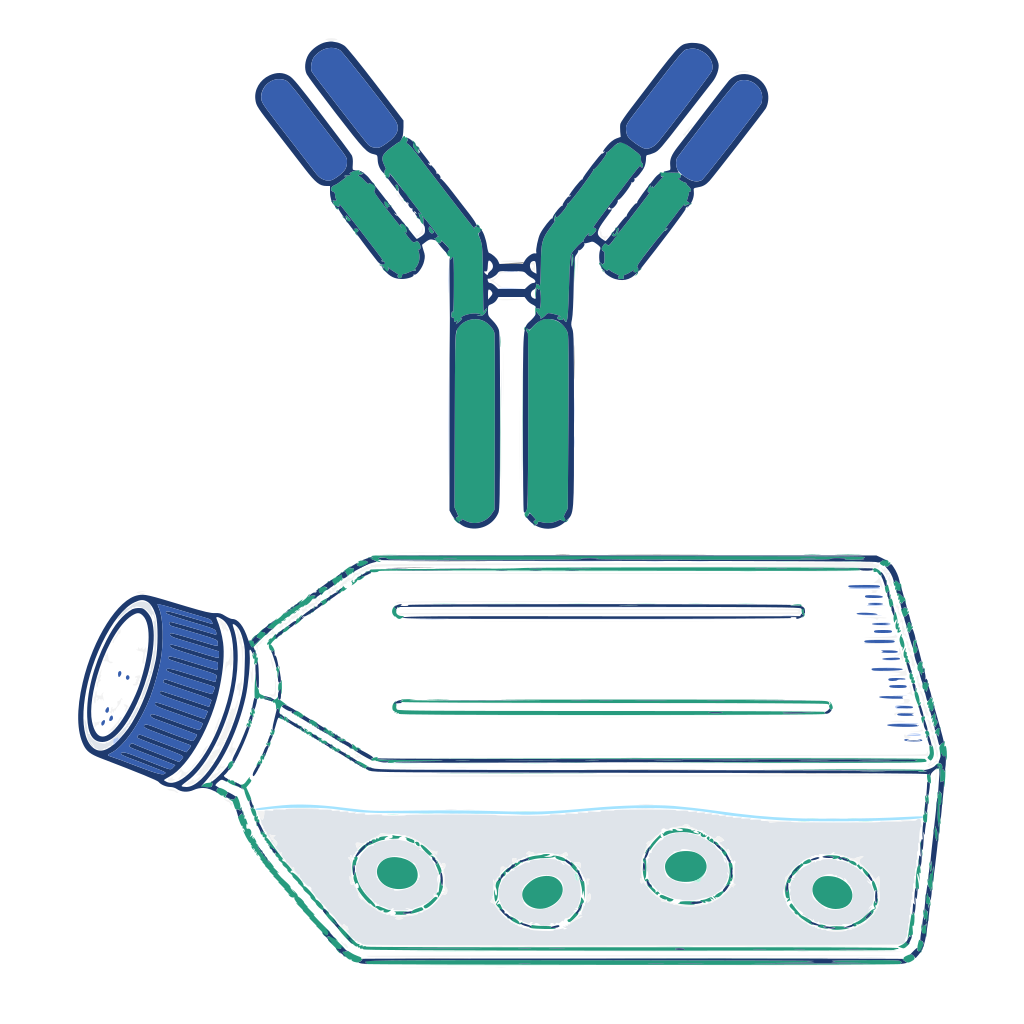
Candidate antibodies expressed and purified for affinity measurement
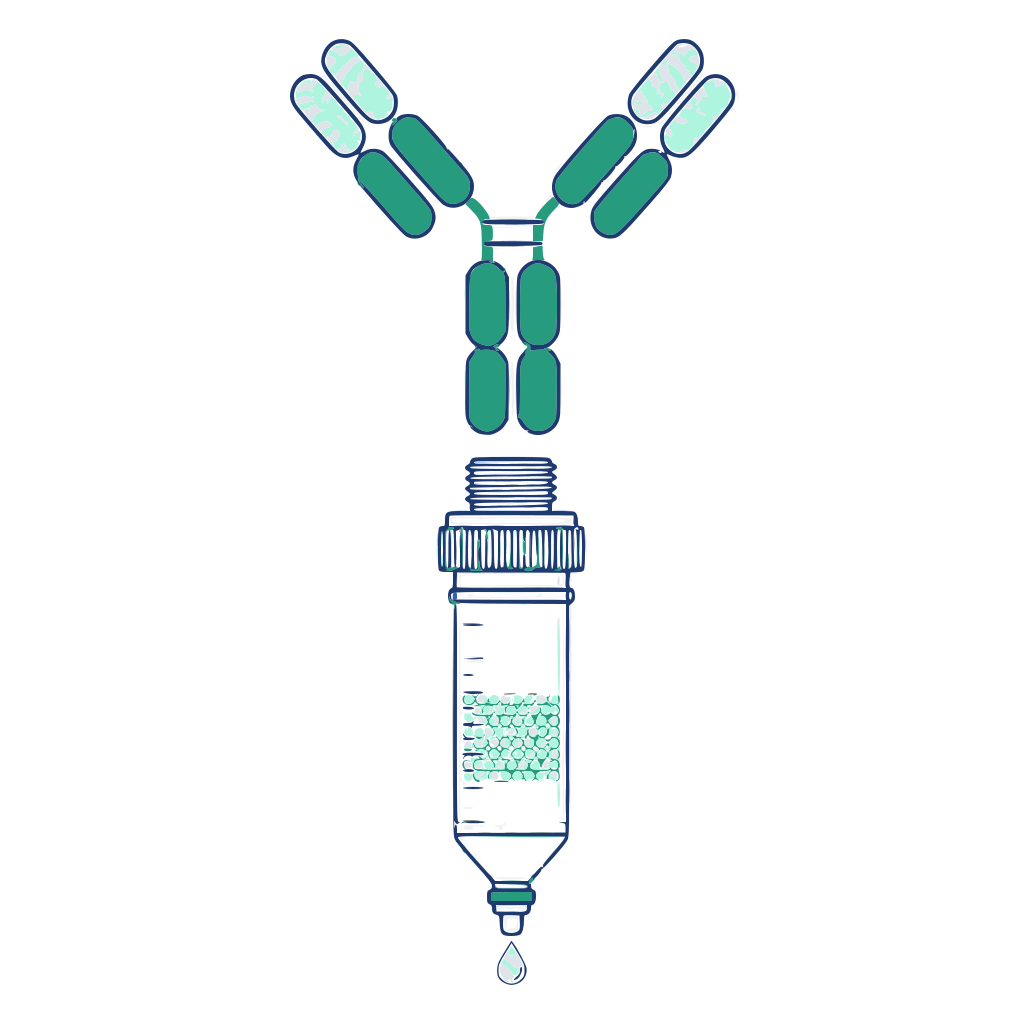
High-affinity candidates are purified and checked for purity
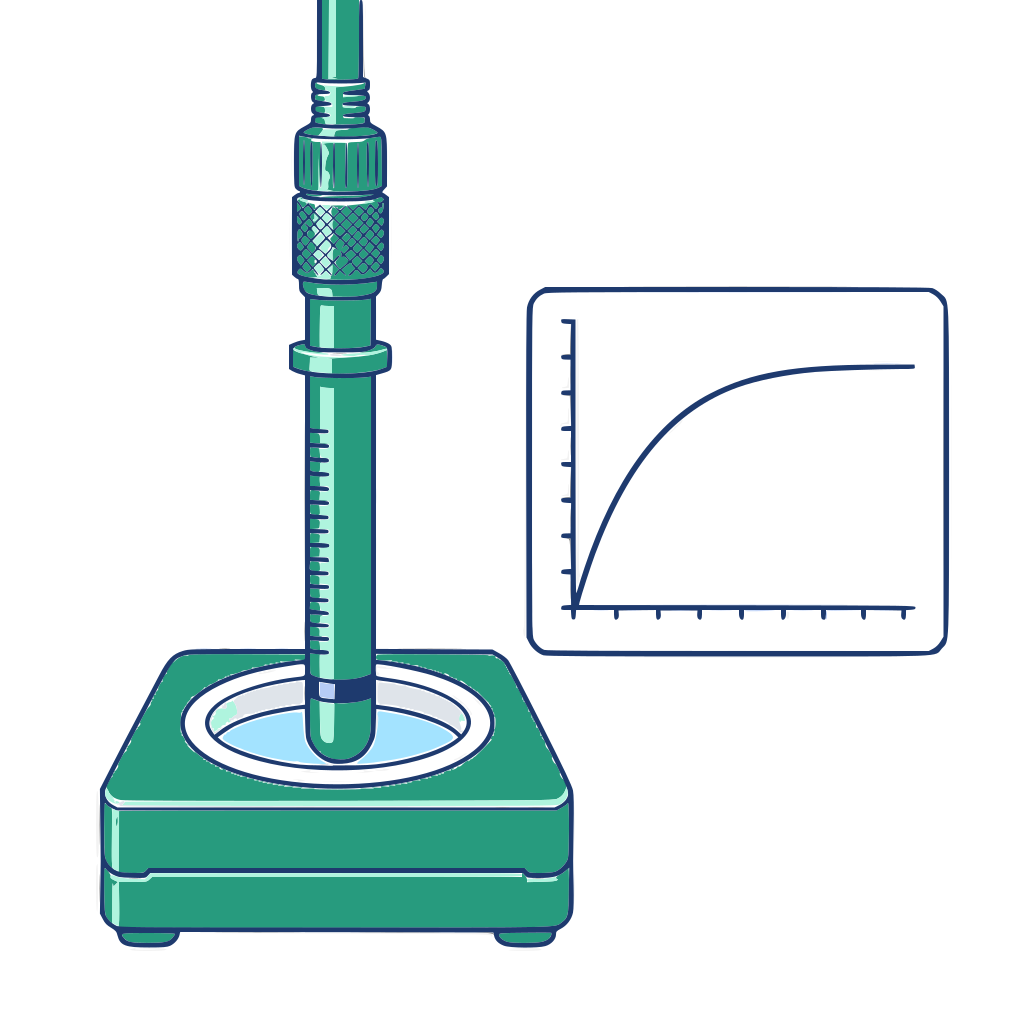
Affinity measured precisely by SPR/BLI; at least one ≥10-fold-improved variant delivered
High-affinity antibodies, sequences and the complete affinity report are delivered
Initial design through affinity validation totals roughly 11–16 weeks; the delivery standard is at least one variant with a ≥10-fold affinity gain.
Multi-platform high-throughput screening on automated equipment finds high-affinity clones fast, while end-to-end QC keeps specificity and target function intact — proven across hundreds of projects and many difficult targets.
Deliverables, acceptance criteria and timelines by experimental stage. The staging differs from the process above: the process shows how a project runs, while this table is the acceptance basis written into the contract.
| Stage | Scope | Deliverables | Standards | Timeline |
|---|---|---|---|---|
| Initial analysis & design | Antibody structure analysed, mutation regions designed and a diverse mutation library built | Mutation design and library | Library size ≥1×10⁸ | 2-3 weeks |
| Library construction & screening | Multiple rounds of stringency screening by phage display enrich high-affinity clones. | Enriched clone pool with screening data | A positive clone pool with markedly stronger binding signal | 4-6 weeks |
| Clone identification & sequencing | Single clones picked for preliminary activity screening and sequencing | Activity data and sequencing reports for the selected clones | Multiple unique sequences with improved activity | 2-3 weeks |
| Expression validation & affinity measurement | Candidate antibodies expressed and purified, with affinity measured precisely by SPR/BLI | Purified protein with a full affinity report | At least one variant with a ≥10-fold affinity gain | 3-4 weeks |
Share the intended application and what you already have in hand. A scientist — not a sales rep — will scope feasibility, suggest the right route and send a quote, usually within one business day.